
What to know about breast cancer
Breast cancer happens when cells in the breast grow out of control. It is the most common cancer in women, although men can also develop breast cancer.
Breast cancer is highly treatable when found early, which is why regular screening is so important. Hear from Dr. Oppong about common concerns about breast cancer screening and why getting screened is important.
Check your risk for breast cancer
Assessing your risk for breast cancer is simple and easy!
Answer a set of questions to better understand your personal breast cancer risk and the screening options that may be most relevant for you.
The precise causes of breast cancer are unclear, but we know the main risk factors. Still, most women considered at high risk for breast cancer do not get it, while many with no known risk factors do.
Risk Factors
Risk factors you can change include:
-
- Taking estrogen + progestin hormone therapy for menopause symptoms
- Drinking alcohol
- Obesity
Risk factors you cannot change include:
-
- Older age
- A personal history of non-cancerous breast disease, or dense breast tissue on a mammogram
- More exposure to estrogen made by the body caused by menstruating at an early age, older age at first birth or having never given birth, or starting menopause at a later age
- A family history of breast cancer in a first-degree relative
- Inherited gene mutations, such as BRCA1 or BRCA2
- A personal history of breast cancer, ductal carcinoma in situ (DCIS), or lobular carcinoma in situ (LCIS)
Assess your risk for breast cancer using this personalized assessment tool.
Signs and Symptoms
It’s important to know that many women with breast cancer don’t have symptoms at first.
This is why breast cancer screening is so important, because it helps catch breast cancer early, while it is most treatable.
Check with your doctor if you have:
-
- A lump or thickening in or near the breast or in the underarm area.
- A change in the size or shape of the breast.
- A dimple or puckering in the skin of the breast.
- A nipple turned inward into the breast.
- Fluid, other than breast milk, from the nipple, especially if it’s bloody.
- Scaly, red, or swollen skin on the breast, nipple, or areola (the dark area of skin around the nipple).
Reduce Your Risk
There are steps you can take to help lower your risk of breast cancer.
-
- Get screened regularly
- Get enough exercise
Women who birth children at a younger age are less likely to develop breast cancer. So are women who breastfeed after childbirth.
If your doctors determine you have a greater than average risk, they may have additional recommendations for you.
When to be screened
If you’re age 40 or older and of average risk, you should start regular screening for breast cancer.
Women ages 40-75
Mammogram every 2 years
Women Over 75
Mammogram every 3 years
Women with Dense Breasts
Mammogram every year, and if negative — no further screening is needed
Women of average risk have no personal or family history of breast cancer, and no genetic mutation that increases breast cancer risk (such as the BRCA gene).
If you are at high risk for breast cancer because of a genetic mutation or personal or family history, you may need to be screened differently (starting earlier, varied intervals or additional tests).
Women who are younger may also need mammograms or breast magnetic resonance imaging (MRI) in addition to mammograms if they are found to be at higher risk for breast cancer than average.
Screening tests for breast cancer
There is more than one way to get screened. Understanding your options can help you choose what works best for you.
A mammogram is an x-ray picture of the breast. It is used to look for changes or problems in breast tissue that may not be felt during a physical exam.
During a mammogram, each breast is placed between two plates to hold it still while the picture is taken. The plates gently compress the breast so a clear image can be made. Some women feel pressure or discomfort while the breasts are compressed.
Mammograms may be less likely to find tumors in women with dense breast tissue. Dense breast tissue and tumors can look similar on a mammogram, which can make changes harder to see. Younger women are more likely to have dense breast tissue.
Breast magnetic resonance imaging (Breast MRI) is a test used (along with a mammogram) to detect breast cancer or abnormalities in the breast. This test may be used for people who are at higher risk for breast cancer, which may include people with a strong family history of breast cancer or certain gene changes that increase risk.
A Breast MRI uses magnets and radio waves to create detailed pictures of the breast. During the test, you will lie face down on a padded table that slides in and out of a tunnel-shaped scanner. In some cases, a contrast dye is given through an IV in your arm to help highlight areas of concern. A computer puts the images together to create detailed pictures that help doctors look for changes in the breast.
Myths and facts about breast cancer and screening
Myth: Finding a lump in your breast means you have breast cancer
Fact: Most breast lumps are not cancer. But if you find a lump or notice changes in your breast (such as swelling, skin dimpling, nipple discharge, or a red rash), don’t ignore it. See a doctor for a breast exam. Your doctor may order imaging tests to check the lump.
Myth: If you have a family history of breast cancer or a gene mutation, you will get it too
Fact: Most women with breast cancer do not have a family history. While having a family history does raise your risk, only about 5–10% of breast cancer cases are linked to family history.
Having inherited gene changes like BRCA1, BRCA2, or PALB2 can raise your risk. However, only about 10–15% of breast cancers are caused by inherited gene changes, and most women with breast cancer do not have these mutations.
Myth: Mammograms don’t work
Fact: Mammograms and other screening tests have saved millions of lives by finding breast cancer early. When breast cancer is found early, it is almost always curable and usually needs less treatment. New technology, like advanced imaging and AI, is making mammograms even better.
Myth: A mammogram can cause breast cancer or make it spread
Fact: A mammogram is an X-ray of the breast and is the best way to find breast cancer early. The small amount of radiation used does not cause cancer or make it spread. The benefits of finding cancer early are much greater than any small risk. Most women should start getting a mammogram every year at age 40. If you have a higher risk, your doctor may suggest starting earlier.
Myth: Breast cancer only affects older women
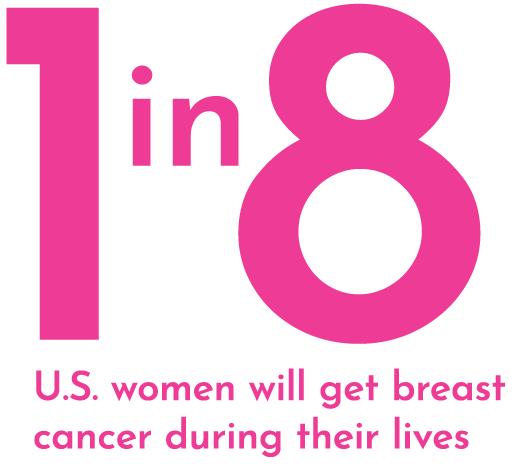
Fact: Most breast cancer cases happen in women over 50, but younger women can get it too. About 9 out of every 100 new breast cancer cases in the U.S. are in women under 45. These cases are often found later and can be more serious. Overall, women have a 1 in 8 chance of getting breast cancer in their lifetime. The risk goes up as you get older. It’s important to know the signs, understand your risk, and get regular checkups and mammograms.
Myth: You can’t take steps to lower your risk of breast cancer
Fact: There’s no way to completely prevent breast cancer, but you can make choices to help lower your risk:
-
- Ask your doctor to check your breast cancer risk
- Learn about your family history of cancer
- Know what’s normal for your breasts
- Eat healthy, drink less alcohol, and don’t smoke
- Exercise regularly
Screening helps protect the moments that matter.
Learn more about:
How we can help
Getting screened can come with questions or concerns, and support is available.
The SCREEN Program offers personalized support through trained SCREEN Navigators. Navigators can help answer questions, explain options, and connect you with local resources.
Whether you’re exploring your options or preparing to take the next step, support is available to help you along the way.
Information provided on this website is meant for the general public and was designed to provide general cancer education and inform cancer screening decisions. Site content and surveys were designed for those born female.