
What to know about colon cancer
Colon cancer is a disease of the digestive system. Most colon cancers start as a bump or growth in the colon or rectum called a polyp. Polyps are usually harmless, but some can turn into cancer over time.
Polyps and colon cancer are common, but screening can help prevent or find them early. Hear from Dr. Stanich about why getting screened is worth the time and effort.
Check your risk for colon cancer
Assessing your risk for colon cancer is simple and easy!
Answer a set of questions to better understand your personal colon cancer risk and the screening options that may be most relevant for you.
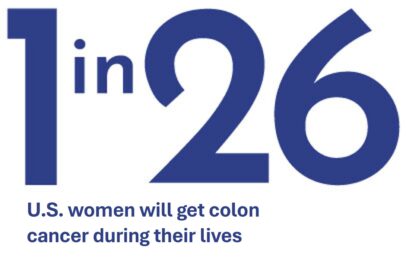
Researchers have found several factors that can increase a person’s risk of colon cancer, but it’s not yet clear exactly how all of these factors might cause this cancer.
Risk Factors
Risk factors you can change include:
-
-
- Low-fiber, high-fat diet
- Not exercising regularly
- Diabetes
- Obesity
- Smoking
- Drinking alcohol
-
Risk factors you cannot change include:
-
-
- Age
- Race
- A personal history of colon cancer or polyps
- Inflammatory bowel diseases
- Inherited syndromes that increase colon cancer risk
- Family history of colon cancer
- Radiation therapy for cancer
-
Assess your risk for colon cancer using this personalized assessment tool.
Signs and Symptoms
The signs and symptoms described below may be caused by colon cancer or by other conditions.
Check with your doctor if you have:
-
- Blood (either bright red or very dark) in the stool
- A change in bowel habits (diarrhea, constipation, feeling that the bowel does not empty completely, or stools that are narrower or have a different shape than usual)
- General abdominal discomfort (frequent gas pains, bloating, fullness, or cramps)
- Weight loss for no known reason
- Fatigue
- Vomiting
Keep in mind, these signs and symptoms can also be caused by conditions other than colon cancer. If you have any of these symptoms, see a health care professional right away to find the cause.
Reduce Your Risk
There are steps you can take to help lower your risk of colon cancer.
• Get screened regularly
• Maintain a healthy body weight
• Exercise regularly
• Limit red meat and processed meat like deli meat
• Avoid alcohol and tobacco use
When to be screened
Here are the guidelines for colon cancer screening if you are at average risk.
Women 45 - 75
Every 1-10 years depending on the type of screening test and your results
Screening is the process of looking for cancer and polyps in people who have no symptoms of the disease. Regular colon cancer screening is one of the most powerful tools for preventing colon cancer.
Several types of screening tests can be used. Talk to your health care provider about which ones might be good options for you. No matter which test you choose, the most important thing is to get screened.
Screening tests for colon cancer
There is more than one way to get screened. Understanding your options can help you choose what works best for you.
There are several types of colon cancer screenings that can be completed at home. For these tests, your doctor will send you a kit with instructions. You will collect a sample of your bowel movement and send it back to your doctor as instructed. The sample will be tested for signs of colon cancer, and you should receive your results quickly.
Stool DNA-FIT (Cologuard)
This is an at-home stool test that looks for signs of colon cancer in two ways. It checks for hidden blood in the stool and for abnormal DNA that can be shed by cancer or large polyps. You collect a stool sample at home using a kit and send it to a lab for testing. This test is usually done every 3 years.
Watch Video: What to Expect for a Cologuard Test
FOBT or FIT
FOBT and FIT are at-home stool tests that check for hidden blood in the stool, which can be a sign of polyps, cancer, or other conditions. FIT is a newer version of FOBT and does not require dietary restrictions. A small stool sample is collected at home and returned to a doctor or laboratory for testing. These tests are usually done every year.
Some colon cancer screening tests are done in a clinic or medical office. These tests allow a doctor to examine part or all of the colon to look for polyps or cancer. For some tests, you may receive medication to help you relax or sleep during the procedure, and you will need someone to drive you home afterward. If polyps are found, they can often be removed or tested during the same procedure, and you should receive your results quickly.
Colonoscopy
A colonoscopy is an in-clinic procedure that allows a doctor to look inside the rectum and the entire colon to check for polyps, abnormal areas, or cancer. During the test, a thin, flexible tube with a light and camera (called a colonoscope) is inserted through the rectum into the colon. If polyps or abnormal tissue are found, they can often be removed or sampled during the same procedure and checked for signs of cancer. This test is usually done every 10 years.
Watch Video: What to Expect for a Colonoscopy
Sigmoidoscopy
A sigmoidoscopy is similar to a colonoscopy, but it only examines the rectum and the lower part of the colon. Because it looks at a smaller portion of the colon, it is usually quicker and less invasive than a colonoscopy. However, it does not examine the entire colon, and it may not detect polyps or cancer in areas beyond the lower colon. This test is usually done every 5 years.
Myths and facts about colon cancer and screening
Myth: There’s nothing you can do to avoid colon cancer
Fact: You can lower your risk by eating healthy and staying active. A diet low in fat and high in fruits and vegetables, along with regular exercise, can help. Most colon cancers start as small growths called polyps in the colon or rectum. Screening tests such as colonoscopy, sigmoidoscopy, stool tests, or virtual colonoscopy can find and remove these polyps early before they turn into cancer.
Myth: Colon cancer only happens to older white men
Fact: Colon cancer can affect both men and women. Each year, about 78,000 men and 69,000 women are diagnosed in the United States. It is the second leading cause of cancer deaths in the United States. About 53,000 people die from colon cancer each year, and more than half are women. People of color are often diagnosed at later stages and may need screening earlier. Colon cancer can also affect younger people. In fact, cases in people under age 50 have doubled since 1990.
Myth: Screening is only needed if you have symptoms
Fact: Most early colon cancers do not cause symptoms. That is why regular screening is so important. Screening looks for cancer before you feel sick or notice any problems. Everyone age 45 and older should get routine screening. If you have a family history of colon cancer, polyps, or certain health conditions, you may need to start screening earlier. Talk with your doctor about when you should begin.
Myth: Colon cancer screening is not covered by most health plans
Fact: Medicare began covering colon cancer screenings in 1998. Most private health insurance plans also pay for these screenings.
Myth: The test prep is terrible
Fact: The prep usually involves drinking about half a gallon of clear liquid, such as Gatorade mixed with medicine. You will need to stay near a bathroom for a few hours. Some people feel nauseous or vomit, but drinking the liquid slowly can help. This step is key to making sure your colonoscopy gives clear results.
Myth: A colonoscopy is a hard procedure to complete
Fact: A colonoscopy does not hurt. Most people receive medicine that helps them sleep during the test, so they do not feel anything. The most challenging part is the preparation the day before. You drink a special liquid to clean out your colon and spend time in the bathroom. This step is very important because it helps the doctor see clearly and find any problems. If the prep is not done fully, the test may need to be repeated.
Myth: A positive stool test means you have colon cancer
Fact: A stool test looks for signs of cancer and other problems, such as polyps. Polyps are small growths that can turn into cancer if they are not removed. A positive stool test does not mean you have cancer. It just means more testing is needed. You will need a follow-up colonoscopy so your doctor can examine the colon and remove any polyps.
Screening now means more tomorrows together.
Learn more about:
How we can help
Getting screened can come with questions or concerns, and support is available.
The SCREEN Program offers personalized support through trained SCREEN Navigators. Navigators can help answer questions, explain options, and connect you with local resources.
Whether you’re exploring your options or preparing to take the next step, support is available to help you along the way.
Information provided on this website is meant for the general public and was designed to provide general cancer education and inform cancer screening decisions. Site content and surveys were designed for those born female.