
What to know about cervical cancer
Cervical cancer starts when cells in the cervix develop abnormal changes. Most of these changes do not become cancer, but some can turn into cancer over time.
Screening can find these changes before they become cancer and can also find cervical cancer early, when it is easier to treat. Hear from Dr. Cosgrove about how prevention and early detection can make a difference.
Check your risk for cervical cancer
Assessing your risk for cervical cancer is simple and easy!
Answer a set of questions to better understand your personal cervical cancer risk and the screening options that may be most relevant for you.
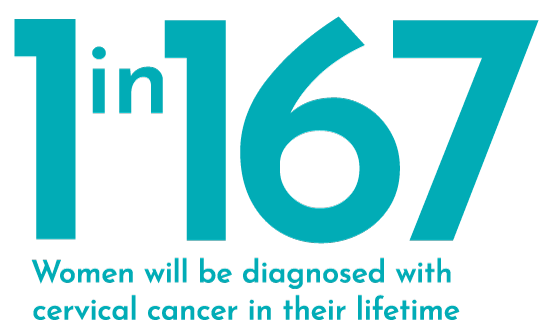
HPV infection causes cervical cancer. Infection with human papillomavirus (HPV) is common. 14 million people are infected each year. Nearly all people who are sexually active will become infected with HPV at some point in their lives.
Most HPV infections go away on their own and do not cause cancer.
Some types of HPV are considered high-risk because they are more likely to cause cancer. When a high-risk HPV infection lasts for years it can lead to changes in the cervical cells, which may eventually turn into cervical cancer. Chronic infection with high-risk types of HPV causes nearly all cervical cancers.
Risk Factors
Although these risk factors can increase the odds of getting cervical cancer, many with these risks do not develop this disease. People without any of these risk factors rarely develop cervical cancer.
Risk factors you can change include:
-
-
- High-risk human papillomavirus (HPV) infection
- Beginning sexual activity before age 18
- Having many sexual partners
- Having a partner with HPV infection or who has had many sexual partners
- Chlamydia infection
- Long-term use of birth control pills
- Having three or more full-term pregnancies
- Younger than 20 years of age at first full-term pregnancy
- Lack of routine cervical cancer screening tests and/or follow-up treatment
- Smoking
- Obesity
-
Risk factors you cannot change include:
-
-
- Exposure to the hormonal drug diethylstilbestrol (DES) before birth
- Having a weakened immune system, such as having HIV or taking immunosuppressant drugs after an organ transplant or for an autoimmune disease
- Family history of cervical cancer (in your mother or sister)
-
Assess your risk for cervical cancer using this personalized assessment tool.
Signs and Symptoms
It is important that you get screened for cervical cancer regularly. Women with early cervical cancers and pre-cancers usually have no symptoms, so do not wait for signs and symptoms to appear.
Check with your doctor if you have:
-
-
- Abnormal vaginal bleeding – such as bleeding or spotting between periods, menstrual periods that are longer or heavier than usual, or bleeding after menopause.
- Unusual discharge from the vagina
- Pain or bleeding during or after sex
- Pain in the pelvic area
- Swelling of the legs
- Problems urinating or having a bowel movement
- Blood in the urine. Keep in mind, these signs and symptoms can also be caused by conditions other than cervical cancer. If you have any of these symptoms, see a health care professional right away to find the cause.
-
Reduce Your Risk
There are steps you can take to help lower your risk of cervical cancer.
-
-
- Get regular cervical cancer screening tests
- Get the HPV vaccine
- Limit exposure to HPV by avoiding sexual activity at a young age (before age 18) and limiting the number of sexual partners
- Practice safe sex
- Do not smoke
- Maintain a healthy weight
- Maintain a diet high in fruits and vegetables
-
When to be screened
If you’re age 21 or older and of average risk, you should start regular screening for cervical cancer.
Here are the guidelines for cervical cancer screening if you are at average risk. You should follow screening recommendations regardless of whether or not you have been vaccinated against HPV.
Women under 21
No screening needed
Women 21-29
Get a Pap test every 3 years.
Women aged 30-65
Pap test only every 3 years,
or HPV test only every 5 years,
or HPV and Pap co-test every 5 years
Women over 65
No screening needed
Cervical cancer screening tests cells in the cervix to see if they are cancerous. Screening can find early cell changes before they turn into cancer and can also find cancer early, when it is easier to treat. That is why regular screening is important and can help prevent cervical cancer and save lives. Being aware of possible signs and symptoms of cervical cancer is also important, but screening tests can find problems before you feel sick.
Screening tests for cervical cancer
There is more than one way to get screened. Understanding your options can help you choose what works best for you.
A Pap test checks cells from the cervix to see if they are normal or abnormal.
A Pap test can be performed during a pelvic exam, but not all pelvic exams include one.
During the test, a health care professional gently collects cells from the cervix using a small tool. These cells are then sent to a lab for testing. If pre-cancer cells are found, they can often be treated so they do not turn into cervical cancer.
It is important to know that most invasive cervical cancers are found in women who have not had regular Pap tests.
Talk to your healthcare provider about your Pap Test results to fully understand your risk of developing cervical cancer.
An HPV test checks the cervix for human papillomavirus (HPV), a common virus that can cause cervical cancer.
The HPV test can be done at the same time as a Pap test or on its own. Results from the HPV test, along with your past screening results, help your doctor understand your risk for developing cervical cancer.
If an HPV test is positive, it does not mean you have cancer. Your doctor may recommend additional tests to look more closely for pre-cancer changes or cancer, and sometimes treatment to remove pre-cancer cells if needed.
While HPV infection itself cannot be treated, an HPV vaccine can help prevent infection and lower the risk of cervical cancer.
Talk to your healthcare provider about your HPV Test results to fully understand your risk of developing cervical cancer.
Myths and facts about cervical cancer and screening
Myth: If I have no symptoms, I don’t need a Pap smear
Fact: HPV and early cervical cancer often have no symptoms. Regular Pap and HPV tests help find problems early, before they turn into cancer—even if you feel healthy.
Myth: You should get a Pap smear every year
Fact: You don’t need a Pap test every year. Most people should start getting Pap tests at age 21 and then every 3 years until age 29. After that, you can keep getting a Pap test every 3 years or choose another option, like a Pap test plus an HPV test together, or just an HPV test every 5 years until age 65. After 65, you can stop screening if your past tests have been normal for the last 10 years. If you’ve had your cervix removed during a hysterectomy and never had precancer or cervical cancer, you don’t need more tests.
Myth: Only people with lots of sexual partners get HPV
Fact: Anyone who has had sex can get HPV—even if it’s just one time with one person. HPV is very common. About 8 out of 10 women will have HPV at some point by age 50. Having HPV does not mean someone is promiscuous.
Myth: Women with HPV will notice warning signs
Fact: HPV usually doesn’t cause symptoms. Many people think if they feel fine, they can’t have HPV or cervical cancer, but that’s not true. Some low-risk types of HPV can cause warts, but high-risk types of HPV linked to cervical cancer often go unnoticed until abnormal cells show up. This is why regular Pap and HPV tests are so important.
Myth: The HPV vaccine is unsafe and causes serious side effects, like infertility
Fact: Research shows the HPV vaccine is safe and works well. It does not cause infertility. The most common side effects are mild, like a sore arm or a slight fever. This vaccine is very important because it helps prevent cervical cancer and other cancers caused by HPV.
Myth: The HPV vaccine is only for teens
Fact: The HPV vaccine works best if you get it before being exposed to the virus, usually in your pre-teen years. But adults up to age 45 can still get the vaccine and benefit from it. If you didn’t get it when you were younger, talk to your doctor about your options.
Myth: If a woman gets the HPV vaccine, she no longer needs Pap or HPV tests
Fact: Even if you get the HPV vaccine, you still need regular Pap and HPV tests. The vaccine protects against only some types of HPV, not all. It works best if you get it before being exposed to HPV, which is why it’s usually given to girls before they become sexually active. But no matter what, all women should keep getting Pap tests and, if they’re 30 or older, HPV tests too.
The HPV vaccine is one of the best ways to protect yourself from cervical cancer, but screening is still very important. If you haven’t had the vaccine yet, you can still get it up to age 45. The vaccine also helps protect men and women from other cancers caused by HPV, like throat and anal cancer.
Screenings protect your future—at every age.
Learn more about:
How we can help
Getting screened can come with questions or concerns, and support is available.
The SCREEN Program offers personalized support through trained SCREEN Navigators. Navigators can help answer questions, explain options, and connect you with local resources.
Whether you’re exploring your options or preparing to take the next step, support is available to help you along the way.
Information provided on this website is meant for the general public and was designed to provide general cancer education and inform cancer screening decisions. Site content and surveys were designed for those born female.